

From the very first chapter of its serialization on Shonen Jump+, you could already spot prophet-like comments saying “this manga is going to get an anime and take over the world.” That's how complete a work it was. Still, honestly, who could have predicted a future this absurd—tie-in products lining convenience store shelves, a study guide (a study-related product, no less!) featuring Anya, far and away the most popular character, on its cover, and the anime followed by a movie that became a mega-mega-megahit and a full-blown social phenomenon? Very few people, I'd wager. SPY×FAMILY sold and sold to that degree (on the iPhone it even comes up as a predictive-text suggestion; I typed this on a PC so I keyed it in by hand). And, as you'd expect, an outstanding score has been right there elevating the story.
I've Heard This Somewhere Before!
Spy fiction has long been a popular genre, familiar from films and beyond. The undisputed gold-standard James Bond theme and the Mission: Impossible theme are so famous that everyone has heard them at least once. Listening to SPY×FAMILY's main theme “STRIX” brings to mind not just those two but also things like the theme from The Incredibles or Detective Conan. The prickly tension of jazz fits the spy world perfectly. It's a great homage that crams in all those elements while still securing its own originality. There are even patterns like “WISE,” which gives off a strong vibe of the Lupin III theme crossed with a James Bond mindset—a greedy little bundle of everything. And then, just as impressively, by simply swapping out the lead instrument—as in the openings of “PLAN B” and “Crisis of my home”—it transforms into an impression of “cute spy make-believe, a slightly goofy image, a single grain of tension nestled within the warmth.” SPY×FAMILY itself deals with themes and a historical backdrop that are heavy and grim to a degree that hardly suits its style, yet through its charming characters' movements and expressions—being careful not to lean too hard into comedy while also taking great pains not to get heavier than necessary—it strikes a balance. I think part of why it became such a hit is that it never gets gloomy overall.
Taking that exquisite sense of balance from the original and translating it into the work's worldview to establish its brand image—that's surely owed in large part to the power of the score. I hear SPY×FAMILY's music was performed at the recent Kyoban Festival held in Japan, and I imagine the fans who got to see it live had a dreamlike time.
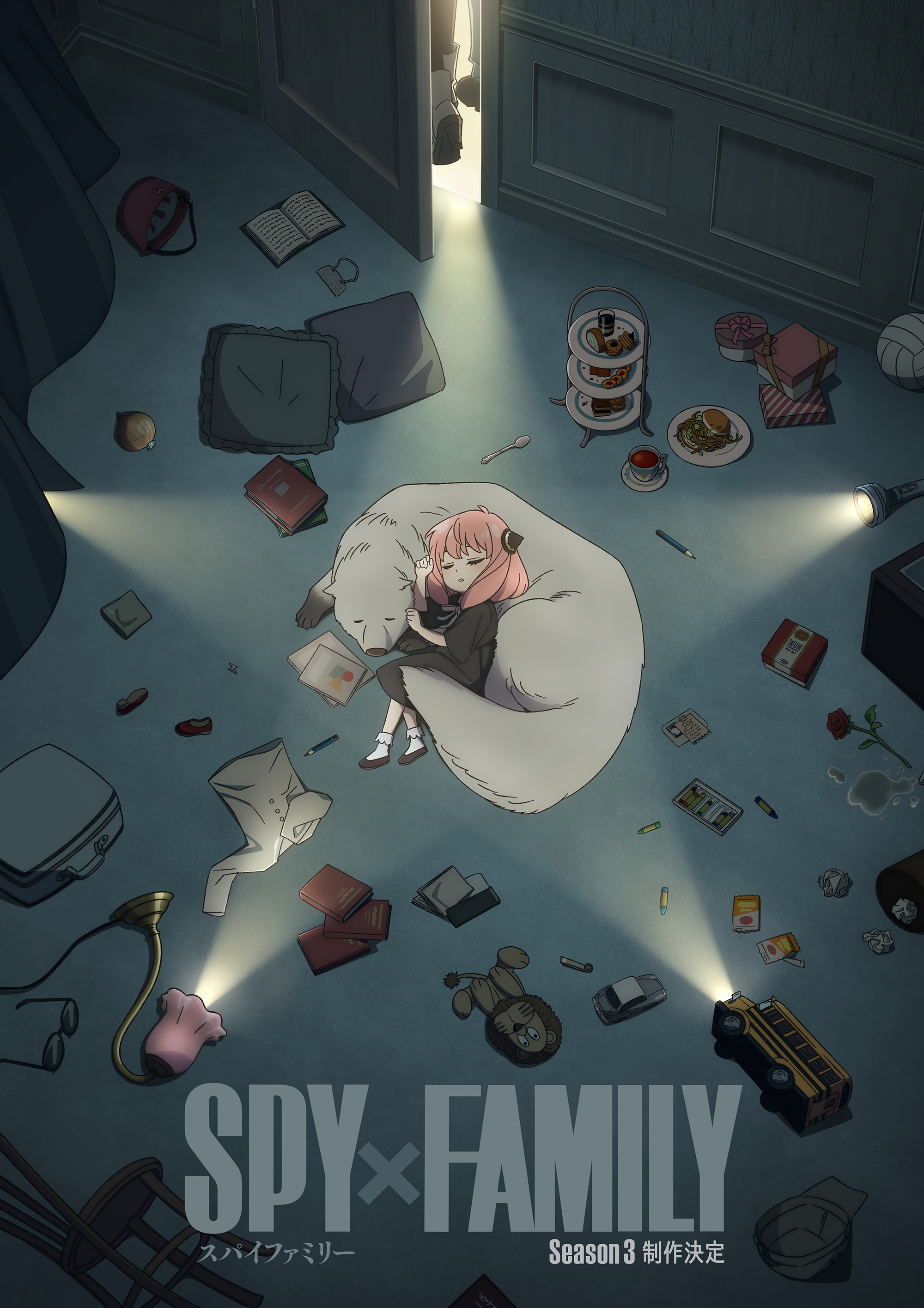
Music That Evokes the European Nations the Setting Is Modeled On
Pieces used in everyday scenes, like “housework” and “try again,” are—compared to the tracks above—built around relatively major, familiar instruments such as piano, horn, flute, and piccolo, giving them a reassuring warmth and a sense of comfort. These pieces, somehow nostalgic yet evoking a foreign land, are perhaps a nod to Germany and the like, the rumored setting of SPY×FAMILY, where an East-West Cold War still drags on.
There are also standard, laid-back tunes that evoke the good old days, like “Berlint,” and energizing jazz that makes you want to get up and dance, like “Gorgeous step.” The reason peaceful music like this shines is its contrast with the spy-flavored, headlong jazz—as if it mirrors the two faces of the protagonist Forger family, who scramble to protect a borrowed peace and make it real.
Once I get started, I want to talk about the wonderful link between every single piece and every single scene, but a score is meant to be enjoyed while recalling the anime—it's something completed by watching it together with the anime—so I really hope you'll feel for yourself, music and all, exactly why this masterpiece is a masterpiece.
From the official anime SPY×FAMILY site